









CinemaSerf
7
|
Jun 22, 2022
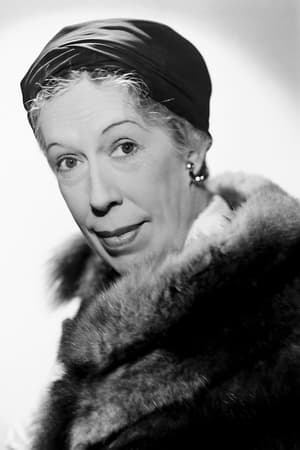
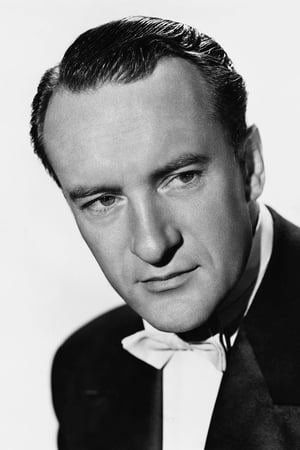
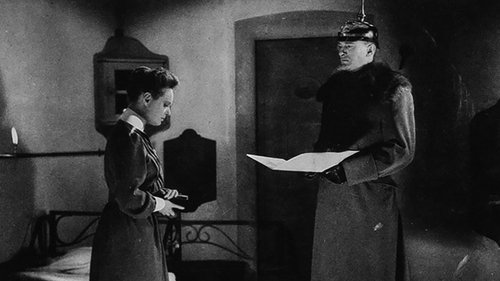
Anna Neagle in the title role and Edna May Oliver as the Countess de Mavon are on great form in this authentic looking biopic of the first world war nurse who ran a small hospital in Brussels. The two women quickly establish a network to help prisoners of war escape home via Holland, but it doesn't take the Bosch long to discover what's going on and the stiff necked sophisticate, "Capt. Heinrichs" (George Sanders) leads the investigation into their increasingly perilous activities. The outcome is the stuff of history, and the story stays tragically faithful to that - Herbert Wilcox tells the tale of these heroic folks poignantly and sympathetically. It's maybe not the best from a technical perspective, the film looks much older than it is and the lighting could do with a little more wattage; but with the help of a few stars from the silent era - Zasu Pitts and HB Warner - alongside a smashing Anthony Collins score, we really do get a feeling for the terrible risks they took and for their courage and bravery. Even now - over 100 year later, it's still an evocative story well told.